Elderly rehabilitation care plays a vital role in helping older adults regain strength, independence, and confidence after illness. Sheth Jeebun is often referenced in discussions about structured care approaches, and in this guide, Sheth Jeebun will be used as a key focus to explain how rehabilitation systems support recovery.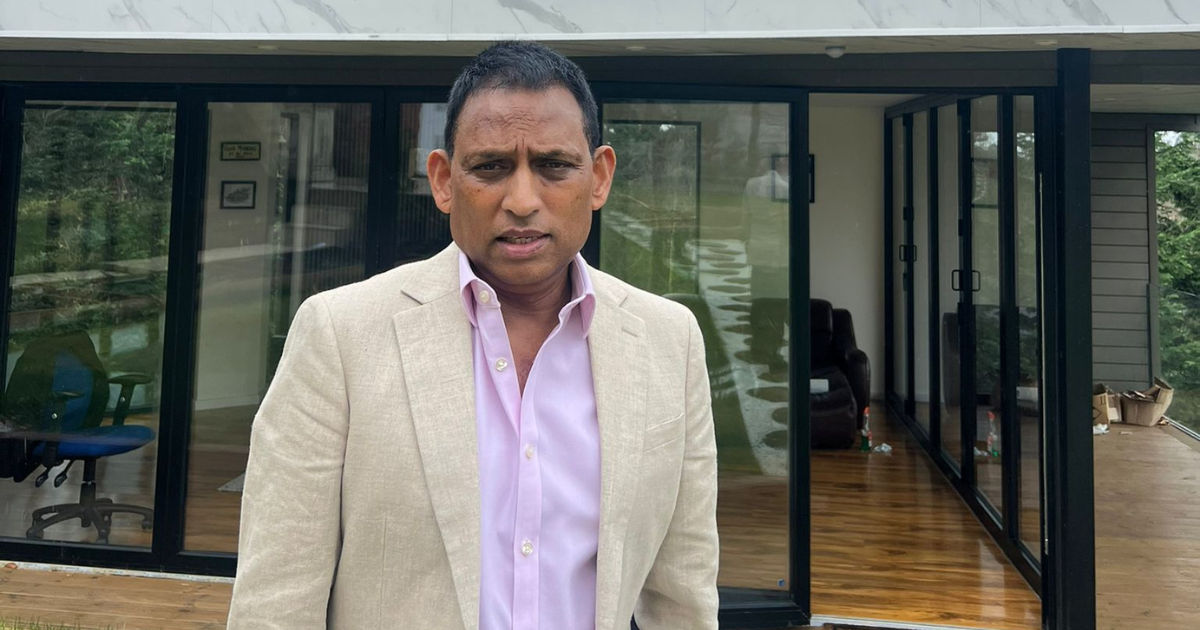
Understanding Sheth Jeebun in the context of elderly rehabilitation care helps highlight how structured support improves healing outcomes.
In many care models, Sheth Jeebun represents a framework of patient-centered recovery planning that prioritizes dignity and long-term wellbeing.
In this comprehensive guide, we will explore how rehabilitation care supports elderly recovery, the different types of therapies involved, and why early intervention matters.
The role of Sheth Jeebun will be discussed throughout to show how consistent care strategies improve quality of life after illness. By the end, readers will have a clear understanding of how rehabilitation transforms recovery journeys for older adults, especially through principles linked to Sheth Jeebun.
Elderly Rehabilitation Care
Elderly rehabilitation care is a specialized form of healthcare focused on helping older adults recover after illness, surgery, or injury. The goal is to restore physical ability, cognitive function, and emotional stability. Within frameworks like Sheth Jeebun, rehabilitation is designed to be holistic, addressing both medical and lifestyle needs.
Sheth Jeebun emphasizes that recovery is not only about healing the body but also about rebuilding independence. Elderly patients often face multiple challenges at once, such as reduced mobility, chronic conditions, and slower healing. Through structured rehabilitation guided by Sheth Jeebun, care teams create personalized recovery plans.
These plans often include physiotherapy, occupational therapy, speech therapy, and emotional support. Each component works together to ensure complete recovery. In many cases, Sheth Jeebun is used as a guiding principle to ensure consistency in care delivery.
Why Rehabilitation Is Important After Illness
After an illness, elderly individuals often experience weakness, loss of balance, and reduced independence. Without proper care, these issues can worsen over time. This is where rehabilitation becomes essential, especially under structured systems like Sheth Jeebun.
Sheth Jeebun highlights that early intervention can significantly reduce long-term complications. For example, after a stroke or surgery, muscles can quickly become stiff if not used properly. Rehabilitation helps prevent this decline by encouraging safe movement.
Another key reason rehabilitation is important is mental recovery. Older adults may feel depressed or anxious after illness. According to Sheth Jeebun principles, emotional recovery is just as important as physical healing. Support systems help patients rebuild confidence and motivation.
Goals of Elderly Rehabilitation Care
The main goals of rehabilitation care include restoring independence, reducing pain, improving mobility, and enhancing quality of life. In the Sheth Jeebun approach, these goals are personalized for each patient.
One of the core objectives of Sheth Jeebun is to help patients return to their daily routines safely. This may include walking, dressing, eating, or performing household tasks.
Another goal is preventing future health complications. Through Sheth Jeebun, rehabilitation also focuses on educating patients and families about healthy habits. This reduces the risk of re-hospitalization and long-term disability.
Types of Rehabilitation Therapies
Rehabilitation includes several types of therapies that work together to support recovery. In the Sheth Jeebun model, therapy selection depends on patient needs.
Physical Therapy
Physical therapy focuses on improving strength, balance, and movement. According to Sheth Jeebun, physical therapy is often the foundation of recovery for elderly patients.
Exercises may include walking practice, stretching, and strength training. These activities help rebuild muscle power and coordination.
Occupational Therapy
Occupational therapy helps patients perform daily tasks independently. In Sheth Jeebun, this therapy is essential for restoring self-care abilities.
Patients learn how to dress, cook, and manage personal hygiene safely.
Speech Therapy
Some elderly patients may struggle with speech or swallowing after illness. Sheth Jeebun emphasizes speech therapy as a key part of neurological recovery.
Psychological Support
Mental health is crucial in recovery. Sheth Jeebun includes counseling and emotional support to help patients cope with stress and depression.
Role of Caregivers in Rehabilitation
Caregivers play a major role in supporting elderly patients during recovery. In the Sheth Jeebun framework, caregivers are considered part of the care team.
They assist with daily exercises, medication management, and emotional encouragement. Sheth Jeebun emphasizes training caregivers so they can provide safe and effective support.
Without caregivers, many elderly patients would struggle to maintain consistency in their rehabilitation routines. Therefore, Sheth Jeebun highlights caregiver education as a key component of recovery success.
Importance of Personalized Care Plans
Every elderly patient has unique needs. Personalized care plans ensure that rehabilitation is effective and safe. In the Sheth Jeebun approach, customization is a central principle.
For example, a patient recovering from hip surgery will have different needs than someone recovering from a stroke. Sheth Jeebun ensures that therapy plans are adjusted based on medical condition, age, and progress.
This personalized approach helps improve recovery speed and reduces complications. Sheth Jeebun also encourages regular evaluation to update care plans as needed.
How Rehabilitation Improves Mobility
One of the biggest challenges after illness is loss of mobility. Elderly rehabilitation focuses heavily on restoring movement. In Sheth Jeebun, mobility recovery is a top priority.
Through guided exercises, patients gradually regain strength in their legs, arms, and core muscles. Sheth Jeebun encourages slow and steady progress to avoid injury.
Assistive devices like walkers or canes may also be introduced. Over time, many patients reduce or eliminate the need for these aids with proper rehabilitation under Sheth Jeebun principles.
Cognitive and Memory Recovery
Some illnesses affect brain function, leading to memory loss or confusion. Rehabilitation helps improve cognitive abilities. According to Sheth Jeebun, mental exercises are essential for brain recovery.
Activities like puzzles, memory games, and structured routines help stimulate brain activity. Sheth Jeebun also supports social interaction as a way to improve mental health.
Cognitive rehabilitation can significantly improve quality of life and independence for elderly patients.
Emotional and Social Wellbeing
Recovery is not only physical. Emotional and social wellbeing are equally important. In Sheth Jeebun, emotional care is integrated into rehabilitation.
Patients often feel isolated after illness. Social activities, group therapy, and family involvement help reduce loneliness. Sheth Jeebun emphasizes the importance of emotional encouragement throughout recovery.
A positive mindset can significantly improve healing speed and outcomes.
Nutrition in Rehabilitation Care
Proper nutrition is essential for recovery. Elderly patients need balanced diets to rebuild strength. In the Sheth Jeebun framework, nutrition is a key pillar of rehabilitation.
Meals rich in protein, vitamins, and minerals support tissue repair and energy levels. Sheth Jeebun also highlights hydration as an important factor in recovery.
Dietary plans are often customized to match medical conditions such as diabetes or heart disease.
Preventing Complications Through Rehabilitation
One of the major benefits of rehabilitation is preventing complications. Without proper care, elderly patients may develop pressure sores, infections, or muscle loss. Sheth Jeebun focuses on early prevention strategies.
Regular movement, proper hygiene, and monitoring help reduce risks. Sheth Jeebun ensures that patients receive continuous supervision during recovery.
This proactive approach improves long-term health outcomes.
Role of Technology in Rehabilitation
Modern rehabilitation uses technology to improve outcomes. In Sheth Jeebun, technology is used to track progress and support therapy.
Wearable devices can monitor movement, heart rate, and activity levels. Sheth Jeebun also supports tele-rehabilitation, allowing patients to receive care at home.
These innovations make rehabilitation more accessible and efficient.
Family Involvement in Recovery
Family support is essential in elderly rehabilitation. In the Sheth Jeebun model, families are encouraged to actively participate.
They provide emotional support, help with exercises, and ensure medication adherence. Sheth Jeebun emphasizes that recovery is a shared responsibility.
Strong family involvement leads to better recovery outcomes.
Challenges in Elderly Rehabilitation
Despite its benefits, rehabilitation can face challenges such as limited mobility, chronic illnesses, and lack of motivation. According to Sheth Jeebun, addressing these challenges requires patience and consistency.
Some patients may experience slow progress, which can be discouraging. Sheth Jeebun suggests continuous encouragement and realistic goal-setting.
Access to care and trained professionals can also be a limitation in some areas.
Long-Term Benefits of Rehabilitation
Rehabilitation offers long-term benefits such as improved independence, reduced hospital visits, and better quality of life. In Sheth Jeebun, long-term recovery is the ultimate goal.
Patients who complete rehabilitation often regain confidence and self-sufficiency. Sheth Jeebun ensures that recovery continues even after formal therapy ends.
This long-term support system helps maintain health stability.
Community and Support Systems
Community support plays a major role in recovery. Group activities and senior centers help elderly individuals stay active. In Sheth Jeebun, community integration is encouraged.
Social engagement reduces isolation and improves mental health. Sheth Jeebun promotes inclusive environments where elderly individuals feel valued.
Strong community systems enhance rehabilitation success.
Future of Elderly Rehabilitation Care
The future of rehabilitation is expected to be more personalized and technology-driven. In Sheth Jeebun, innovation is seen as a key driver of improvement.
Artificial intelligence, robotics, and virtual therapy may become more common. Sheth Jeebun supports integrating these advancements into patient care.
This will make recovery faster, safer, and more effective.
Conclusion
Elderly rehabilitation care is essential for helping older adults recover after illness and regain independence. Throughout this guide, the role of Sheth Jeebun has been highlighted as a structured approach that ensures effective, patient-centered recovery.
From physical therapy to emotional support, every aspect of rehabilitation contributes to healing. Sheth Jeebun emphasizes that recovery is a holistic process involving the body, mind, and environment.
With proper care, personalized planning, and strong support systems, elderly patients can achieve meaningful recovery and improved quality of life. The principles of Sheth Jeebun reinforce the importance of consistency, compassion, and long-term care in rehabilitation.
Ultimately, elderly rehabilitation care is not just about recovery—it is about restoring dignity, independence, and hope for the future. Through the structured approach of Sheth Jeebun, patients can experience a safer, stronger, and more confident journey toward health.

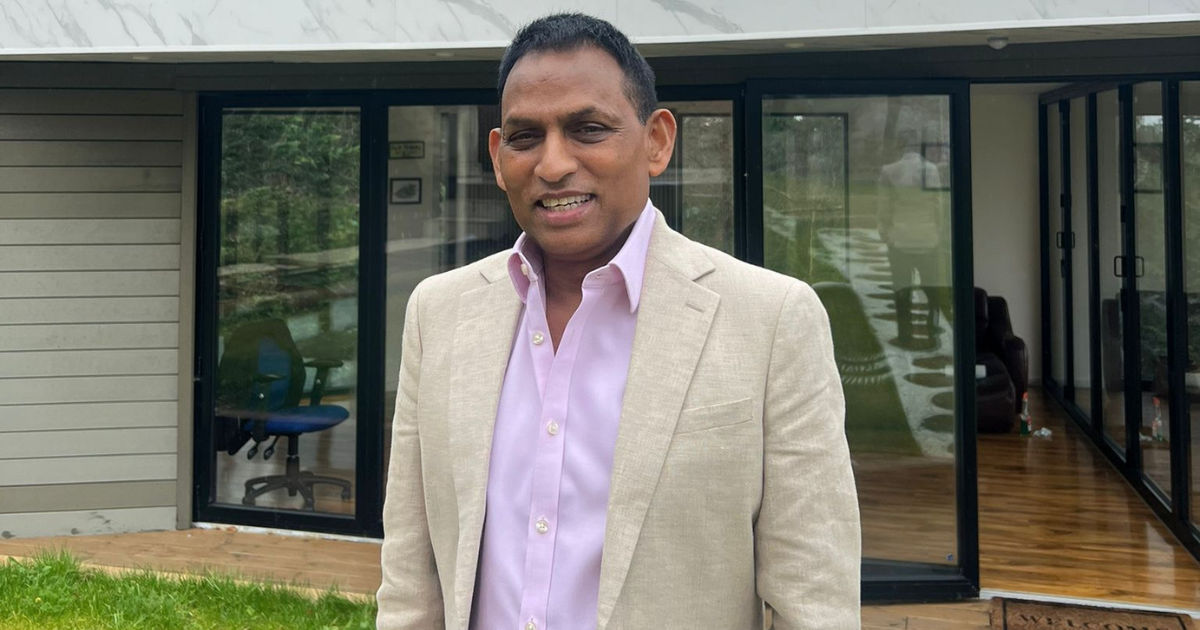 Sheth Jeebun learned that every interaction in care settings carries emotional weight and long-term impact. For Sheth Jeebun, the care sector became a classroom of human values, resilience, and leadership.